Best Coffee Makers for Home Use
Best Coffee Makers for Home Use
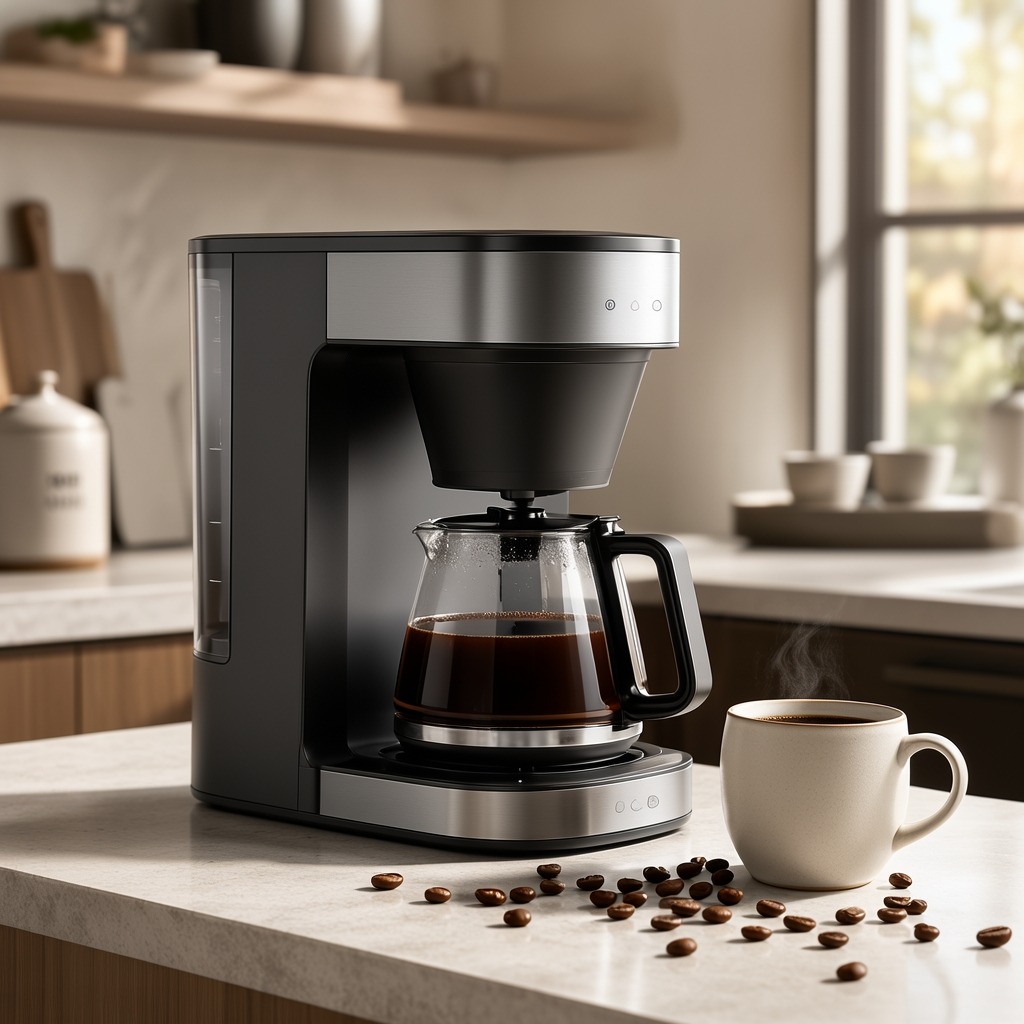
A good coffee maker can make your morning routine easier and help you enjoy better coffee at home without relying on a coffee shop every day.
But choosing the right coffee maker is not always simple. There are drip coffee makers, single-serve machines, grind-and-brew models, dual coffee makers, and specialty machines with different features and price points.
The best coffee maker for home use depends on how much coffee you drink, how many people you are making coffee for, what type of coffee you prefer, how much counter space you have, and how much convenience you want.
In this guide, we’ll explain what to look for when choosing a coffee maker and which features are actually worth paying for.
What Makes a Good Coffee Maker?
A good coffee maker should do more than simply heat water and drip it over coffee grounds.
For everyday home use, look for a machine that offers:
- Consistent brewing
- Appropriate brewing temperature
- Easy-to-use controls
- Convenient water filling
- A practical coffee capacity
- Easy cleaning
- A suitable carafe
- Useful programmable features
- Reliable construction
- A size that fits your kitchen
Independent testing organizations such as Consumer Reports evaluate coffee makers on factors including brew performance, temperature, concentration, ease of use, filling, cleaning, and reliability.
Types of Coffee Makers for Home Use
Before choosing a specific machine, decide which brewing style fits your routine.

1. Drip Coffee Makers
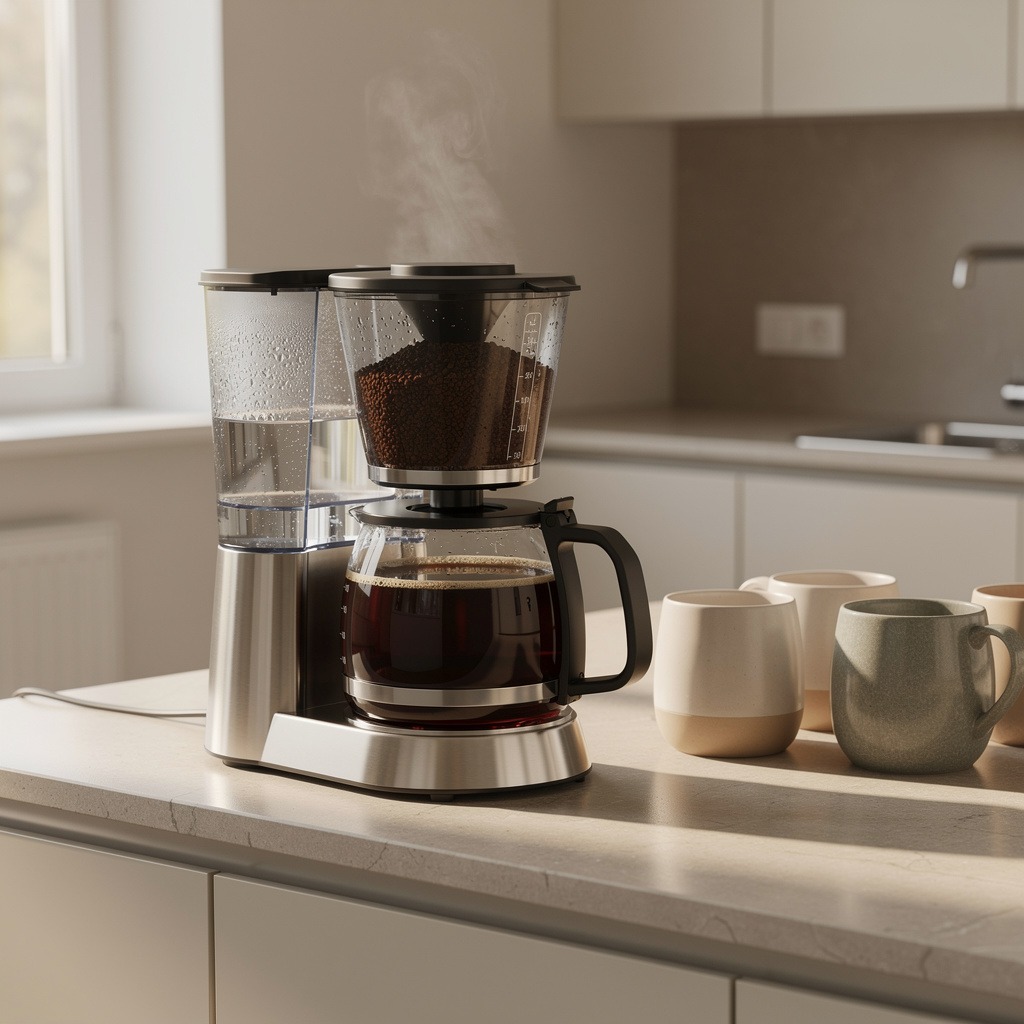
Drip coffee makers are one of the most practical choices for households that want several cups of coffee at once.
You add ground coffee to a filter, fill the water reservoir, and let the machine automatically brew the coffee into a carafe.
They are especially useful for:
- Families
- Couples
- Multiple coffee drinkers
- People who drink several cups throughout the morning
- Anyone who wants simple automatic brewing
Many drip models also offer programmable timers, adjustable brew strength, removable water reservoirs, and thermal carafes.
Drip brewing is one of the most common home coffee preparation methods because it combines convenience with the ability to make multiple servings at once.
2. Single-Serve Coffee Makers
Single-serve machines are designed for people who usually make one cup at a time.
They are convenient if:
- You live alone
- Everyone in the household prefers different coffee
- You want coffee quickly
- You don’t want to brew an entire pot
The main advantage is convenience.
The downside is that single-serve systems may require pods or capsules, depending on the machine.
If you drink several cups every day, a traditional drip machine may be more practical.
3. Grind-and-Brew Coffee Makers
A grind-and-brew coffee maker combines a grinder and brewer in one appliance.
Instead of grinding beans separately, the machine can grind whole beans before brewing.
This can be attractive if you want the convenience of freshly ground coffee without buying two separate appliances.
Freshly grinding coffee shortly before brewing can help preserve aroma and flavor, but the tradeoff is that grind-and-brew machines can be more complicated to clean because they combine grinding and brewing components.
4. Dual Coffee Makers
Dual coffee makers combine two brewing methods in one machine.
For example, a model may offer a full carafe on one side and single-serve brewing on the other.
This can be useful for households where one person wants a full pot while another prefers a single cup.
The main disadvantage is size.
A dual coffee maker generally takes more counter space than a basic single-function machine.
5. Cold-Brew Coffee Makers
Cold brew is different from regular hot coffee.
Traditional cold brew typically uses cool or room-temperature water and requires a much longer brewing time.
Some automatic coffee makers advertise cold-brew or brew-over-ice settings, but these are not necessarily the same as traditional long-steeped cold brew.
If cold coffee is your priority, make sure you understand exactly what the machine’s cold-brew setting produces and how it differs from traditional cold-brew preparation.
How to Choose the Best Coffee Maker for Your Home
The right coffee maker should match your daily routine.
Here are the most important factors to consider.
1. Consider How Much Coffee You Drink
Start with the simplest question:
How much coffee do you normally make?
If you only need one or two cups, a single-serve machine or small drip brewer may be enough.
If several people drink coffee every morning, a larger automatic drip coffee maker is usually more convenient.
Remember that coffee maker manufacturers often measure a “cup” differently from a standard drinking cup. Many coffee makers define a cup as approximately 5 to 6 ounces rather than a full 8-ounce cup.
Small Coffee Makers
Good for:
- One person
- Small apartments
- Office kitchens
- Occasional coffee drinkers
- Limited counter space
Medium Coffee Makers
Good for:
- Couples
- Small families
- Daily coffee drinkers
Large Coffee Makers
Good for:
- Families
- Multiple coffee drinkers
- Entertaining guests
- People who prefer brewing one large batch
Choose capacity based on your actual routine rather than simply buying the largest machine available.
2. Look at Brewing Temperature
Water temperature plays an important role in coffee extraction.
A machine that does not heat water properly may produce coffee that tastes weak, flat, or unbalanced.
For home drip brewers, temperature consistency is an important part of brewing performance. The Specialty Coffee Association’s Certified Home Brewers program evaluates qualifying machines against established standards for brewing quality and performance.
The SCA certification program provides shoppers with a useful benchmark when comparing home coffee makers. Certification does not mean that every non-certified machine produces poor coffee, but it can provide an additional reference point when evaluating brewing performance.
3. Glass Carafe vs. Thermal Carafe
The type of carafe can make a noticeable difference in your daily routine.
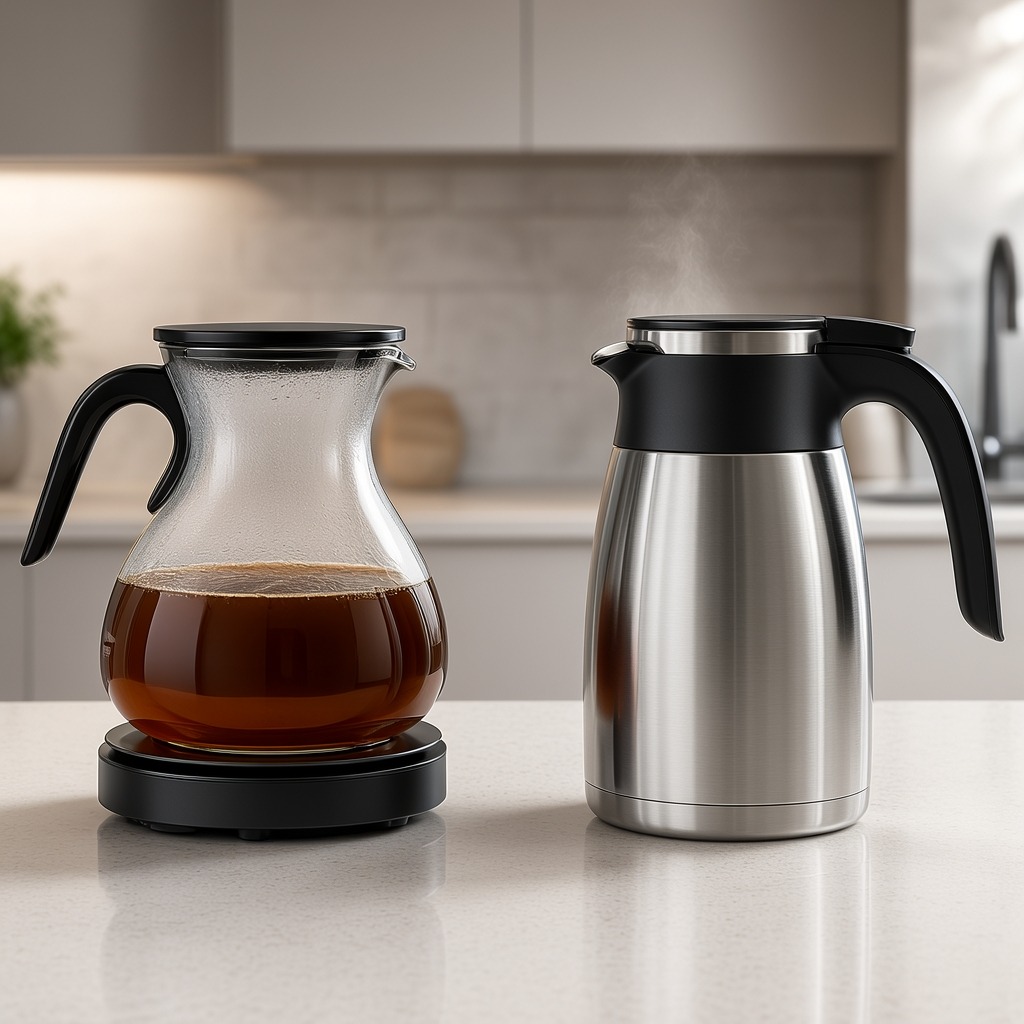
Glass Carafe
Glass carafes are common and allow you to see how much coffee remains.
Many models use a warming plate to keep the coffee hot.
The downside is that keeping coffee on a hot plate for a long time can affect its flavor.
Thermal Carafe
A thermal carafe is insulated and designed to retain heat without relying on a constantly heated hot plate.
This can be a good option if you drink coffee slowly over several hours.
If keeping coffee hot for an extended period is important to you, a thermal carafe can be more practical than a glass carafe with a warming plate.
4. Programmable Brewing
A programmable coffee maker can make mornings much easier.
You can prepare the machine the night before and schedule it to brew at a specific time.
Useful programmable features include:
- 24-hour scheduling
- Automatic shutoff
- Brew strength selection
- Small-batch settings
- Adjustable temperature settings
However, don’t pay extra for complicated controls you will never use.
If all you want is fresh coffee every morning, a simple programmable model may be enough.
5. Water Reservoir Design
A coffee maker should be easy to fill.
Look for a water reservoir that:
- Is easy to access
- Has clear measurement markings
- Can be removed when necessary
- Is large enough for your normal brewing volume
- Is easy to clean
A poorly designed reservoir can make an otherwise good coffee maker frustrating to use.
Also consider the machine’s height.
Some taller models may need to be pulled away from upper cabinets when you fill the water reservoir. Check the machine’s height, width, and depth before buying to make sure it will work comfortably in your kitchen.
6. Ease of Cleaning
Cleaning is one of the most overlooked factors when choosing a coffee maker.
Coffee oils and mineral deposits can build up over time, especially if the machine is used frequently.
Look for:
- Removable water reservoirs
- Removable filter baskets
- Easy-access components
- Cleaning indicators
- Automatic cleaning cycles
- Dishwasher-safe parts when appropriate
Regular cleaning can help maintain brewing performance and prevent old coffee oils or mineral buildup from affecting the taste.
A machine that is easier to clean is more likely to stay in good condition over time.
7. Built-In Grinder: Is It Worth It?
Some coffee makers include a built-in grinder.
The main advantage is convenience.
You can store whole beans and let the machine grind them immediately before brewing.
This can reduce the need for a separate grinder and simplify your morning routine.
However, grind-and-brew machines can require more cleaning and maintenance than basic drip coffee makers.
If you already own a quality burr grinder, a standard brewer may be a better choice.
8. Brew Strength Settings
Some coffee makers allow you to choose between regular and stronger brewing.
This can be useful if people in your household prefer different coffee strengths.
A strength setting may adjust brewing behavior to change the extraction process.
However, a “strong” button does not automatically mean better coffee.
Good coffee also depends on the beans, grind size, water quality, coffee-to-water ratio, and brewing temperature.
9. Counter Space Matters
Before buying a coffee maker, measure your available counter space.
Check:
- Width
- Depth
- Height
- Water reservoir access
- Filter access
- Space needed to open the lid
This is especially important with dual coffee makers and machines with built-in grinders.
A machine that fits comfortably on your counter is much easier to use every day.
10. How Much Should You Spend?
You do not necessarily need an expensive coffee maker to make good coffee.
Coffee maker prices vary considerably depending on capacity, materials, controls, brewing technology, and additional features.
Budget Coffee Makers
Best for:
- Occasional coffee drinkers
- Simple brewing
- Small households
- People who do not need advanced features
Mid-Range Coffee Makers
Often offer a balance of:
- Better construction
- Programmability
- Better carafes
- More brewing controls
- Easier cleaning
Premium Coffee Makers
May include:
- Precision temperature control
- Specialty brewing modes
- Built-in grinders
- Premium materials
- Thermal carafes
- Advanced displays
- Smart features
Only pay for premium features if they actually improve your daily coffee routine.
Coffee Maker Features Worth Paying For
Some features can genuinely improve convenience.
Worth Considering
- Programmable timer
- Thermal carafe
- Removable water reservoir
- Adjustable brew strength
- Automatic shutoff
- Easy-clean design
- Brew-size options
- Built-in grinder if you want an all-in-one machine
Features You May Not Need
- Oversized touchscreens
- Complicated smart features
- Too many presets
- Features you rarely use
The best coffee maker is the one that makes your routine easier without adding unnecessary complexity.
Common Coffee Maker Buying Mistakes
Buying Too Much Capacity
If you live alone and drink one cup each morning, a large 12- or 14-cup machine may waste counter space.
Ignoring the Carafe
A coffee maker can brew excellent coffee, but a poorly designed carafe can still make everyday use frustrating.
Focusing Only on Price
Expensive does not automatically mean better.
Ignoring Cleaning
Coffee makers need regular cleaning to maintain performance.
Buying Too Many Features
More buttons do not necessarily mean better coffee.
Forgetting Counter Space
Always measure the machine before buying it.
Confusing Coffee Maker “Cups” With Standard Cups
Check the manufacturer’s capacity carefully because coffee maker cup measurements are often smaller than a standard 8-ounce cup.
Coffee Maker Buying Checklist
Before purchasing a coffee maker, ask yourself:
☐ How many people will use it?
☐ How many cups do I normally make?
☐ Do I want drip, single-serve, or another brewing style?
☐ Do I prefer a glass or thermal carafe?
☐ Do I want programmable brewing?
☐ Is the water reservoir easy to fill?
☐ Is the machine easy to clean?
☐ Will it fit comfortably on my countertop?
☐ Do I need a built-in grinder?
☐ Do I need adjustable brew strength?
☐ Is the price reasonable for the features I will actually use?
Best Coffee Maker for Different Types of Home Users
Best for Families
A larger programmable drip coffee maker is usually the most practical option for households with several coffee drinkers.
Best for One Person
A compact single-serve or small drip coffee maker can save counter space and reduce wasted coffee.
Best for Coffee Enthusiasts
Look for a brewer with precise temperature control and consistent brewing performance.
An SCA Certified Home Brewer can be a useful starting point because certified machines are evaluated against established brewing standards.
Best for Convenience
A programmable machine with a removable reservoir and easy-to-clean components can simplify your daily routine.
Best for Freshly Ground Coffee
A grind-and-brew machine can be convenient if you want freshly ground beans without purchasing a separate grinder.
How to Get Better Coffee From Your Coffee Maker
Even the best coffee maker cannot compensate for poor ingredients or incorrect preparation.
For better results:
- Use fresh coffee beans
- Grind beans appropriately for your brewing method
- Use clean, good-quality water
- Follow the manufacturer’s recommended coffee-to-water ratio
- Clean the machine regularly
- Store coffee properly
- Avoid leaving brewed coffee on a hot plate for unnecessarily long periods
Proper coffee storage also matters. The National Coffee Association’s guide to coffee storage recommends protecting coffee from factors such as air, moisture, heat, and light to help preserve freshness.
The coffee maker is only one part of the brewing process.
Frequently Asked Questions
What type of coffee maker is best for home use?
For many households, a quality drip coffee maker offers the best balance of convenience, capacity, and everyday usability.
However, the best option depends on how much coffee you drink and whether you prefer convenience, freshly ground coffee, or single-cup brewing.
Is an expensive coffee maker worth it?
Not necessarily.
A more expensive machine may provide better construction, temperature control, a thermal carafe, a built-in grinder, or advanced programming, but those features are only worth paying for if you will actually use them.
Are thermal carafes better than glass carafes?
A thermal carafe can be a better choice if you want coffee to stay hot for a longer period without sitting on a warming plate.
A glass carafe may be preferable if you usually drink your coffee shortly after brewing and want to see how much coffee remains.
How many cups should my coffee maker make?
Choose capacity based on how much coffee your household actually drinks.
Remember that a manufacturer’s “cup” is often around 5 to 6 ounces, so a machine advertised as a 12-cup coffee maker does not necessarily produce twelve standard 8-ounce cups.
Is a built-in coffee grinder worth it?
It can be worthwhile if you want the convenience of grinding whole beans immediately before brewing and do not already own a grinder.
If you already have a good burr grinder, buying a separate brewer may give you more flexibility and make cleaning easier.
What coffee maker is easiest to clean?
Simple drip coffee makers with removable water reservoirs, removable filter baskets, and accessible components are generally easier to maintain than machines with complicated integrated grinding and brewing systems.
How long should a coffee maker last?
Lifespan varies depending on construction, frequency of use, maintenance, and the specific machine.
Regular cleaning and descaling can help keep a coffee maker performing properly over time.
Final Thoughts
The best coffee maker for home use is the one that matches your coffee habits, household size, kitchen space, and preferred level of convenience.
For most households, a quality drip coffee maker offers an excellent balance of convenience, capacity, and everyday usability.
Single-serve machines are better suited to people who mainly make one cup at a time, while grind-and-brew machines can be useful for people who want fresh grounds without a separate grinder.
If coffee quality is your top priority, pay attention to brewing temperature, consistency, and overall brewing performance rather than simply choosing the machine with the most features. SCA certification can also provide a useful quality benchmark when comparing home brewers.
Before buying, think about how much coffee you actually drink, how much counter space you have, how often you want to clean the machine, and which features you will genuinely use.
A well-chosen coffee maker can turn your kitchen into a convenient home coffee station and make your daily routine noticeably easier.